



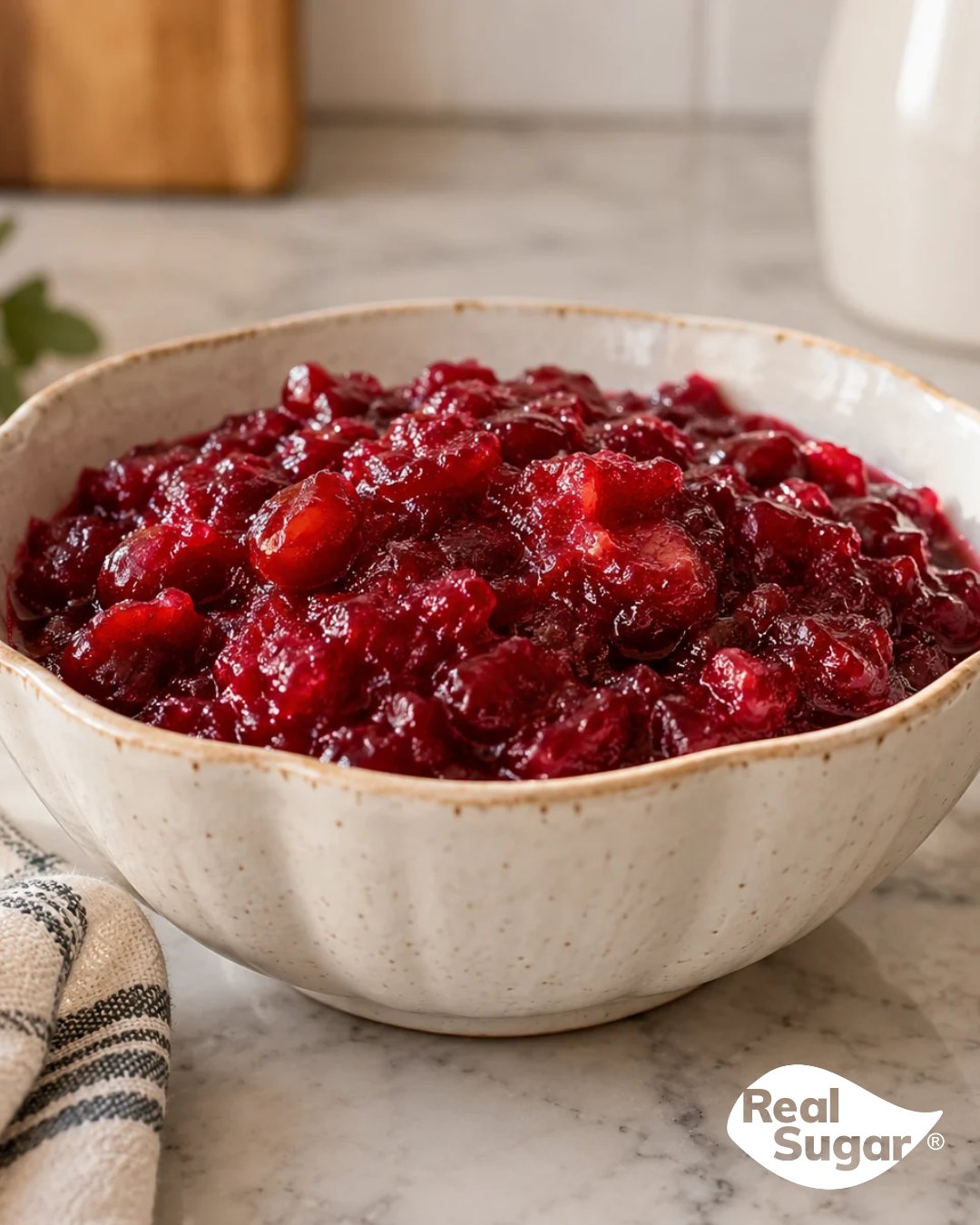
Whether spooned from a cherished family heirloom bowl or sliced into neat rounds with the can’s ridges proudly intact, cranberry sauce is a classic at holiday gatherings.
Behind this beloved dish sits American history, food science and an interesting labeling regulation. Through it all, one ingredient carries this tart berry from the bog to the holiday table: real sugar.
A Native Berry Meets the Table
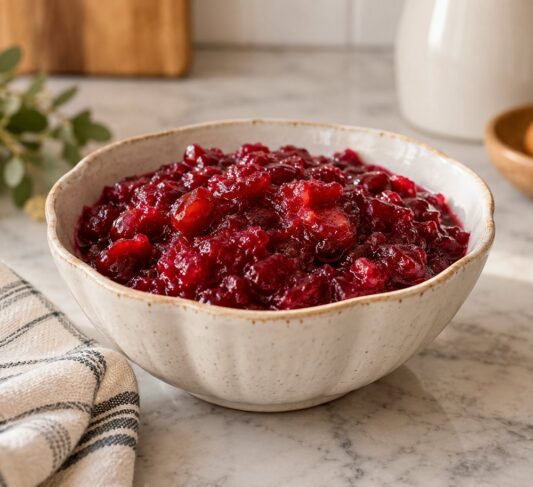 Cranberries are one of North America’s few major native fruits[1]. Native Americans harvested them for food and fabric dye long before European settlers arrived and quickly adopted the fruit.
In 1796, Amelia Simmons published American Cookery, featuring recipes pairing cranberry sauce with roast turkey, a pairing that has endured for more than two centuries.
Because cranberries ripen in the fall, fresh cranberry sauce began as a short-lived seasonal treat. As documented by Smithsonian Magazine[2], lawyer-turned-grower Marcus Urann began canning cranberry sauce in 1912 to sell the berries beyond the fall harvest. He later co-founded Ocean Spray.
Why Cranberries Need Real Sugar
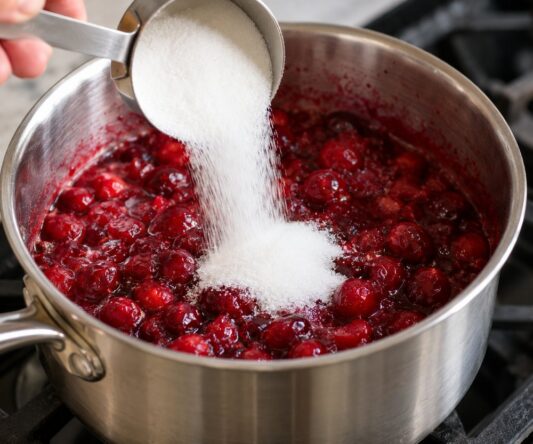 This native berry is not an easy one to love at first bite. Fresh cranberries are extremely tart, highly acidic and have little naturally present sugars. In fact, cranberries are nearly as acidic as lemons, with a similar pH of around 2.3 to 2.5. Real sugar softens the sharp acidity so the berry’s flavor can shine through.
In cranberry sauce, real sugar also helps the sauce set. When cranberries’ natural pectin meets sugar and acid, the mixture forms a gel, allowing jellied cranberry sauce to hold its shape while lending a glossy shine. Without real sugar, cranberry sauce would taste sour and would not set.
Small Berry, Big Benefits
Cranberries deserve their place on the plate. Along with fiber and vitamin C, they are packed with antioxidants called proanthocyanidins, compounds well-researched for their support of urinary tract health.
Real sugar makes the benefits of cranberries more palatable. Few people would eat a bowl of raw, unsweetened cranberries, but add a little real sugar and they become something people want to reach for, like cranberry juice, dried cranberries and cranberry sauce.
Reading Between the Label Lines
Here is a label puzzle. Pour eight ounces of 100 percent grape juice and you get about 35 grams of total sugars, with zero listed as added sugars. Pour the same amount of sweetened cranberry juice, and you get about 25 grams of total sugars, nearly all of them listed as added.
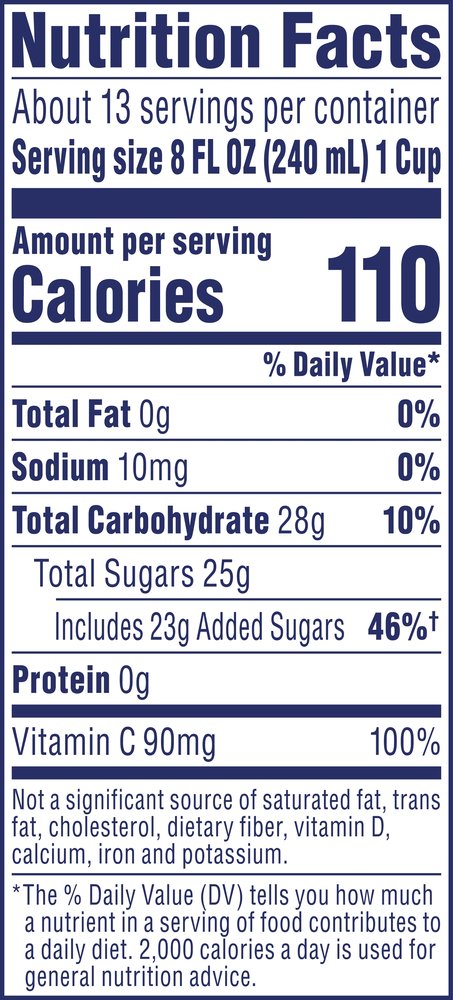
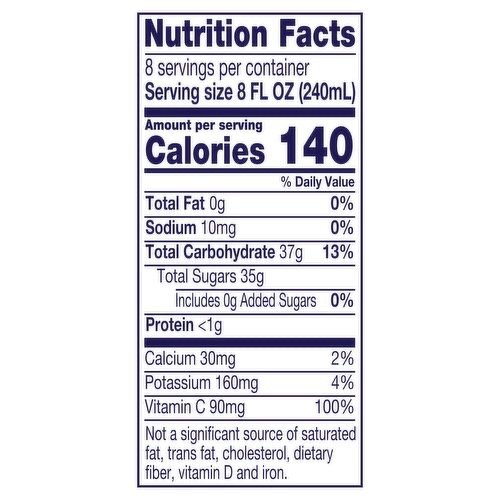
The cranberry juice has significantly less total sugars, yet its label looks worse to consumers. That’s because grapes are naturally sweet, while tart cranberries need some help from real sugar.
The U.S. Food and Drug Administration (FDA) acknowledges this. Under its 2019 labeling guidance[5][6], sweetened cranberry juice and dried cranberries must still list added sugars along with the percent Daily Value (DV) from added sugars. However, manufacturers can also use a symbol (“†”) right after the added sugars percent DV that directs consumers to a statement outside the Nutrition Facts label. That statement explains that sugars were added to improve the palatability of naturally tart cranberries.
An Enduring Tradition Made Possible by Farm Families
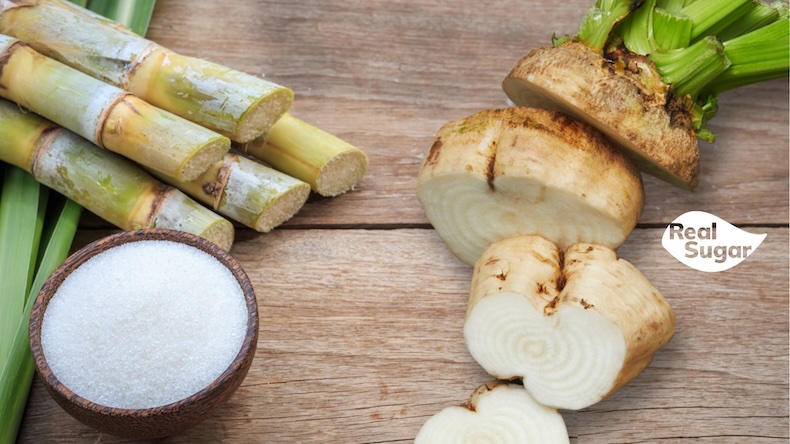
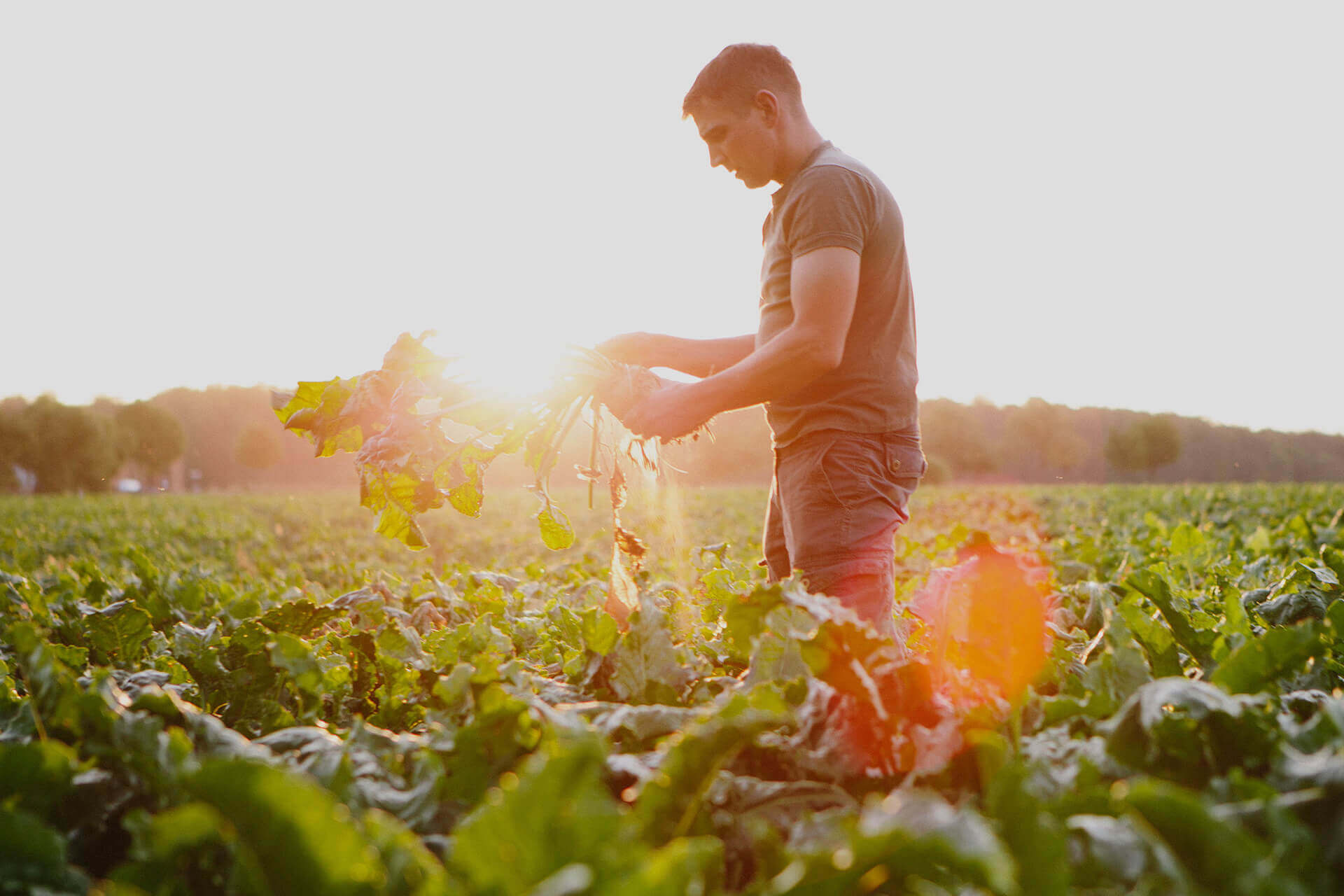
From cranberry bogs in Wisconsin (the nation’s top producer) and Massachusetts to sugar beet and sugar cane fields across the U.S., American farm families supply the simple ingredients behind this sauce that has become a holiday staple.
Cranberry and sugar growers have more in common than providing for a holiday table. Ocean Spray, the largest cranberry company, is a grower-owned cooperative. In both cases, farm families pooled their efforts to bring what they grow to kitchens across the country.
When you reach for a second spoonful, here’s to the growers who bring real food to our tables. Happy Thanksgiving from our Sugar Family to yours!
Originally published in Sugar Producer – November 2026
Sources
- Frank L. Caruso, Peter R. Bristow, and Peter V. Oudemans. “Cranberries: The Most Intriguing Native North American Fruit.” Plant Health Progress, October 2000. https://www.apsnet.org/edcenter/apsnetfeatures/Pages/Cranberries.aspx
- Smithsonian Magazine. “This Man Made the First Canned Cranberry Sauce.” November 27, 2013. https://www.smithsonianmag.com/arts-culture/this-man-made-the-first-canned-cranberry-sauce-180947862/
- Ocean Spray Cranberries, Inc. “Cranberry Juice Cocktail (64 fl oz).” Product packaging image. Accessed October 6, 2026. https://www.oceanspray.com/products/cranberry-juice-cocktail-64-oz
- Fairway Market/Wakefern Food Corp. “Welch’s Concord 100% Grape (64 fl oz).” Product packaging image. Accessed October 6, 2026. https://www.fairwaymarket.com/sm/planning/rsid/4000/product/welchs-concord-100-grape-juice-64-fl-oz-id-00041800207503
- Food and Drug Administration. “Guidance for Industry: Declaration of Added Sugars on Honey, Maple Syrup, Other Single-Ingredient Sugars and Syrups, and Certain Cranberry Products.” June 2019. https://www.fda.gov/media/127928/download
- Food and Drug Administration. “Nutrition Facts Labels Examples for Certain Cranberry Products” (factsheet). June 2019. https://www.fda.gov/media/127968/download