

Real Sugar
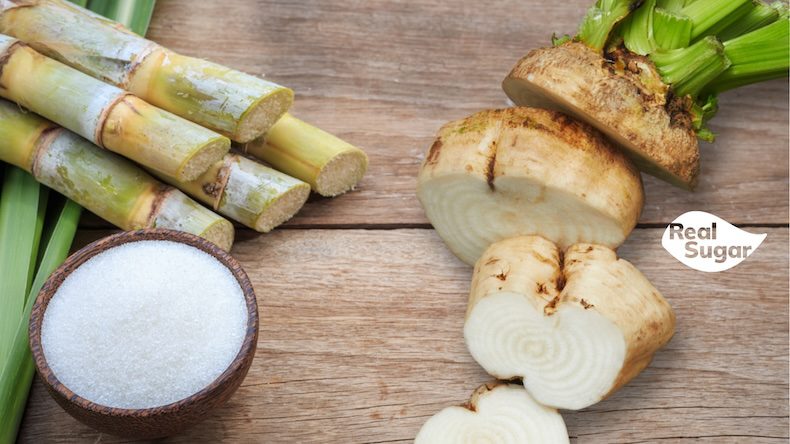
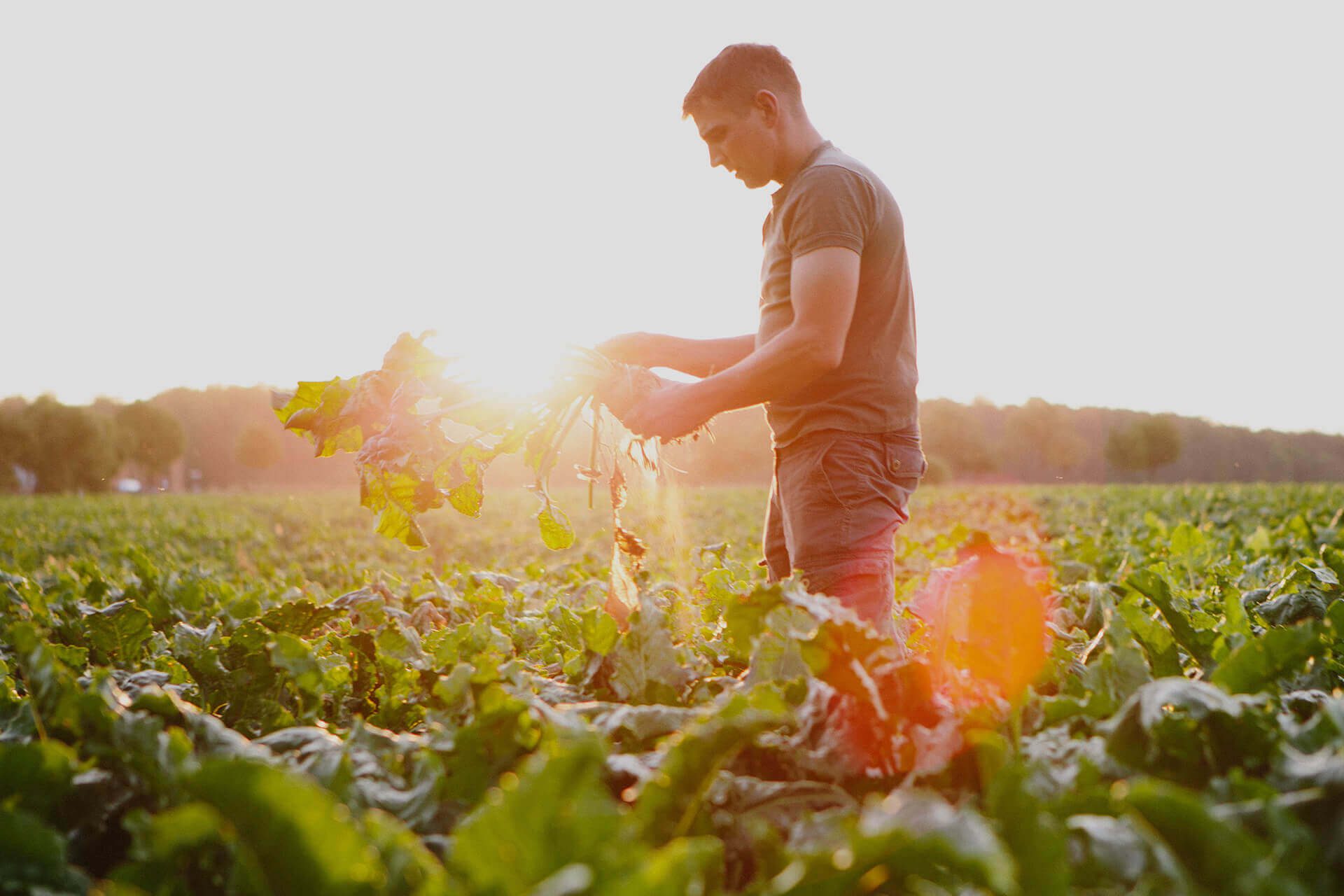
Real sugar comes from sugar beet and sugar cane plants grown on farms.
Learn MoreWe are the scientific voice of the U.S. sugar industry, offering resources about real sugar from sugar beets and sugar cane.
Real sugar comes from sugar beet and sugar cane plants grown on farms.
Learn MoreSugar can give foods the sweet taste we know and love—but there’s much more to it.
Learn More
March 2026
The Sugar Association celebrates National Nutrition Month through our continued work to engage Nutritionists and Registered Dietitians about the facts on real sugar.

March 2026
As executive director of the Snake River Sugarbeet Growers Association (SRSGA), Samantha Parrott blends a family legacy with policy leadership to help guide the future of the American sugar beet industry.

February 2026
Real sugar grown from sugar beets and sugar cane has been part of recipes and food culture for centuries. It’s often thought of only as sweetness, but ask any baker or food scientist, and they’ll tell you: sugar has roles in food that have nothing to do with your taste buds.
© 2026 The Sugar Association, Inc. All rights reserved.




Get Social with #MoreToSugar