

As fair season is underway across America, real sugar will be popping up everywhere. From baking competitions to agricultural education displays, real sugar is woven into the traditions that define county and state fairs.
In sugar-producing regions, fairs offer visitors a closer look at the connection between beloved fair foods and the agriculture that makes them possible, making farming something people can see, touch, and taste.
An American Tradition
Fairs have celebrated the nation’s agricultural heritage for generations. The nation’s first state fair was held in Syracuse, New York, in 1841, where an estimated 15,000 attendees viewed livestock exhibits, a plowing contest, and farm and home goods displays.
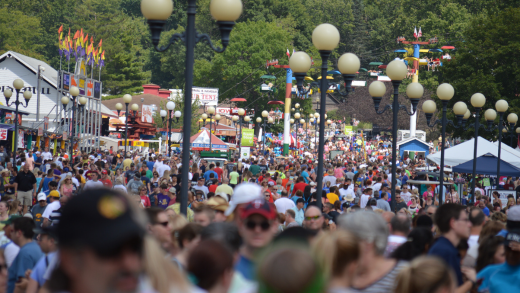
Today’s fairs go beyond the traditional agriculture show and include live music, carnival rides, and foods and more foods, often reflecting local agriculture. Even the most indulgent “novelty” foods often start with locally sourced ingredients. Fried, skewered, or dessert-style creations, fair food a celebration of local agriculture.
Simulators and Food Competitions
That tradition of celebration and education is on full display in the Midwest. Visitors to the North Dakota State Fair can learn about the agricultural industries that make their favorite treats possible.
“We have a new event this year called the Pride of Dakota Marketplace, which will feature unique foods and other products made right here in North Dakota,” Craig Rudland, general manager of the North Dakota State Fair in Minot, said. “This event, along with the North Dakota Ag in the Classroom Exhibition, will take place in a 10,000 square foot area. People of all ages can view exhibits and participate in activities to learn more about the state’s agriculture industry, including a mock farm, tractor and combine simulators, and live cooking demonstrations.”
Fun Fact: Fair vendors compete for the title of best and most creative menu item at the North Dakota State Fair’s annual “Food Frenzy” competition. Past entries include deep-fried chocolate-dipped bacon cheesecake and ice cream nachos.
Raising Beets, Rising Stars
Beyond interactive learning opportunities, fairs showcase youth programs that teach participants skills through hands-on projects.
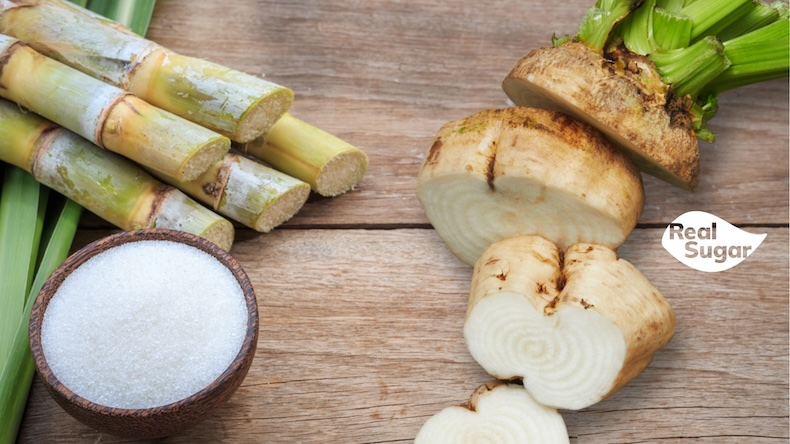
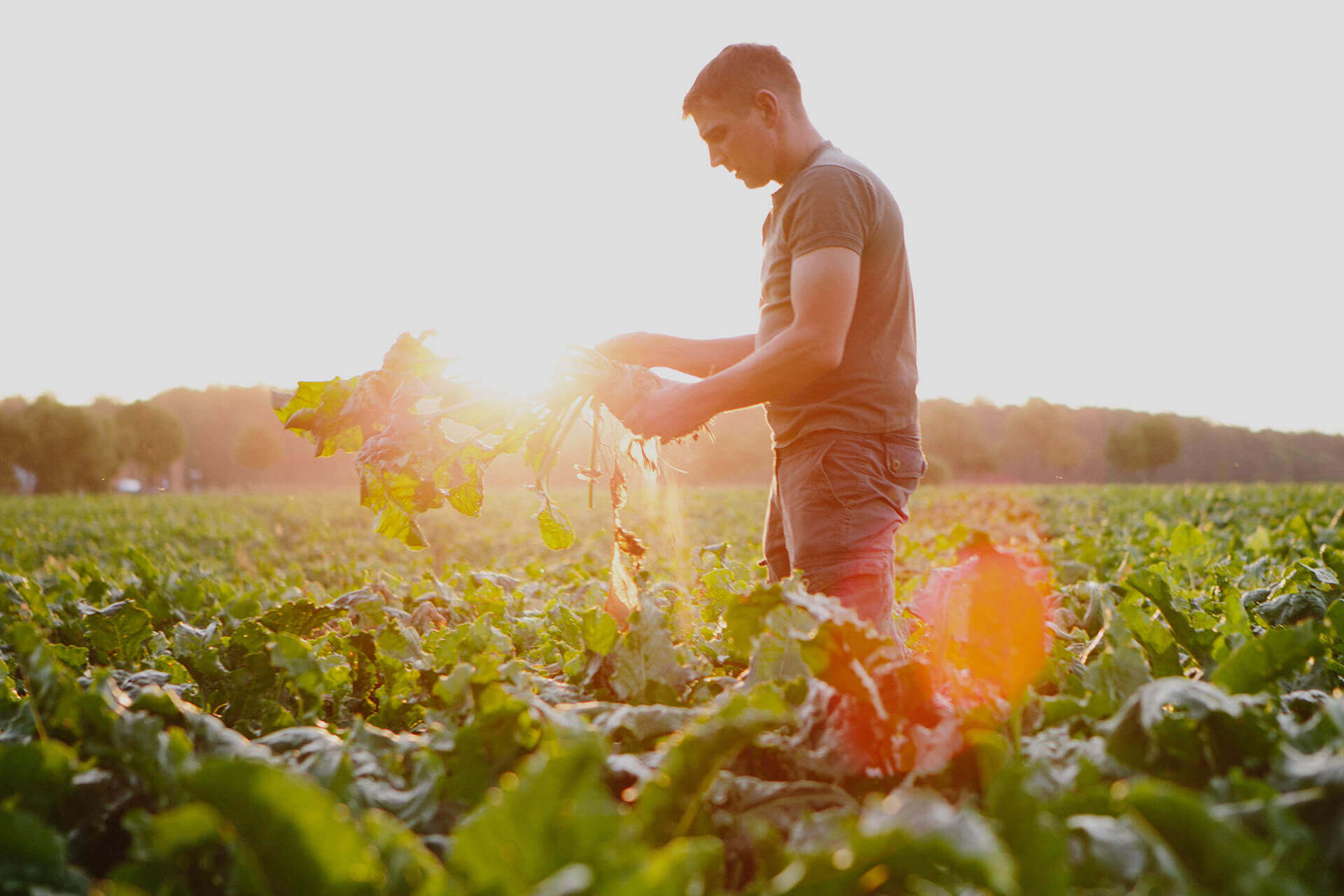
In the Idaho 4-H Sugar Beet program, coordinated through University of Idaho Extension, youth grow their own sugar beets and learn real-world crop management skills, with results displayed at their county fairs.
The Amalgamated Sugar Company also sponsors a youth program for ages 8 to 18 in Idaho, Washington, and Oregon. Through the program, participants grow the crop themselves using two sugar beet shares—one from the company and one from a contracted grower, each representing an acre of production. Over the growing season, youth keep production records, present a research project to judges, and display three sugar beets at the county fair.
Sweet Rivalries
Sugar beets have a rich history in the Nebraska Panhandle and were the focus of a 2024 4-H Special Agronomy Project led by Laurie Zitterkopf, a Nebraska Extension Master Gardener and Scotts Bluff County Fair agriculture superintendent.
Participants grew sugar beets with support from the Western Sugar Cooperative and exhibited them at the Scotts Bluff County Fair, alongside displays about sugar molecules and how sugar goes from farm to table.
“It was a great way to educate both 4-H youth and the general public about sugar beet production,” said Zitterkopf.
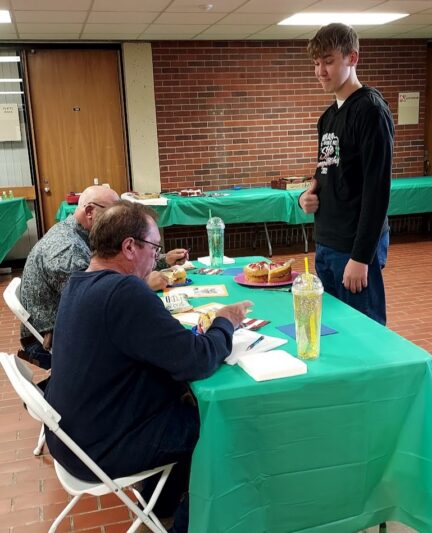
The Western Sugar Cooperative provides sugar to support the bakers at the Scotts Bluff County Fair, and competing for blue ribbons is a beloved tradition for Zitterkopf and her family.
“I baked my grandmother’s recipe for gingersnap cookies when I was in 4-H, and now my granddaughter is making it for the fair,” said Zitterkopf. “I encourage all my grandkids to compete in 4-H baking, where they are judged not only on the quality of their baked goods but also on their explanation of how they made it and what they learned.”
For years, Zitterkopf has entered treats in the open-class competition. This year, though, the challenge hits a little closer to home.
“My grandson Jack will also be entering baked goods in the open class, so we’ll be competing against each other,” she said, laughing. “Whoever does better will have bragging rights for the year.”
Fun Fact: Scotts Bluff County Fair visitors can wash down fried fair food with unique, fair-exclusive beverages like prickly pear cactus and peachy sweetie handcrafted draft sodas.
Sugar Royalty in the Bayou
About 1,300 miles to the south, the annual Louisiana Sugar Cane Festival in New Iberia celebrates the family farmers, industry employees, and communities who sustain the state’s sugar cane industry.
The festival honors Louisiana’s sugar-growing heritage through parades, agricultural exhibits, and a “Blessing of the Crop” ceremony, which brings together farmers, community members, and clergy to pray for a bountiful harvest.
The festival’s highlight, now in its 83rd year, is the coronation of “Queen Sugar” and “King Sucrose.” The woman crowned Queen Sugar serves as an ambassador for Louisiana’s sugar cane sector, traveling to fairs and festivals across the region to highlight the history and community impacts of production.
The sugar royalty also takes the story of real sugar to Washington, D.C., during the Mardi Gras season, to meet elected officials and interact with thousands of revelers.
Fun Fact: Louisiana Sugar Cane Festival visitors can sample raw sugar cane, freshly squeezed cane juice, and Cajun classics.
Preserving our Heritage
From 4-H projects to fierce baking competitions, fairs remind visitors that behind every food favorite is a dedicated network of farm families. As fair season continues, real sugar remains at the heart of the traditions that keep America’s agricultural heritage alive.
SOURCES: