




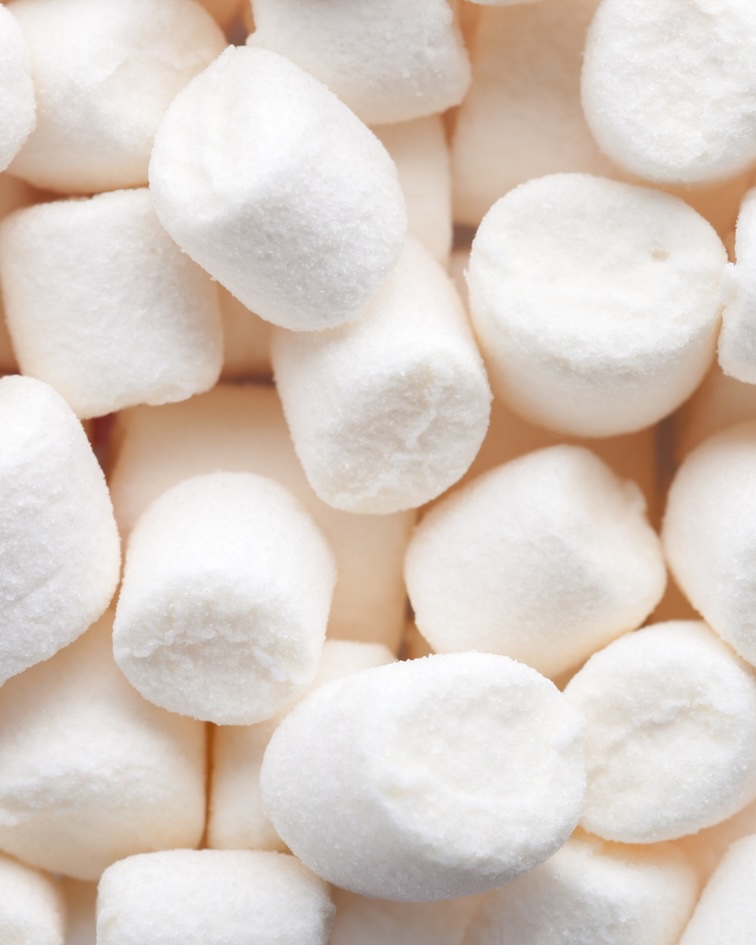
Whether roasted over a campfire to make chewy s’mores or floating in a steaming hot mug of cocoa, nothing brightens the winter months like marshmallows! These versatile confections play many roles in cooking and baking, from providing the tasty, caramelized topping for traditional sweet potato casserole to being combined with powdered sugar to make fondant. Marshmallows come in all shapes and sizes and rely on real sugar for the sweet, fluffy texture that is the perfect finishing touch on many beloved American desserts.
The Science of Marshmallow Fluffiness
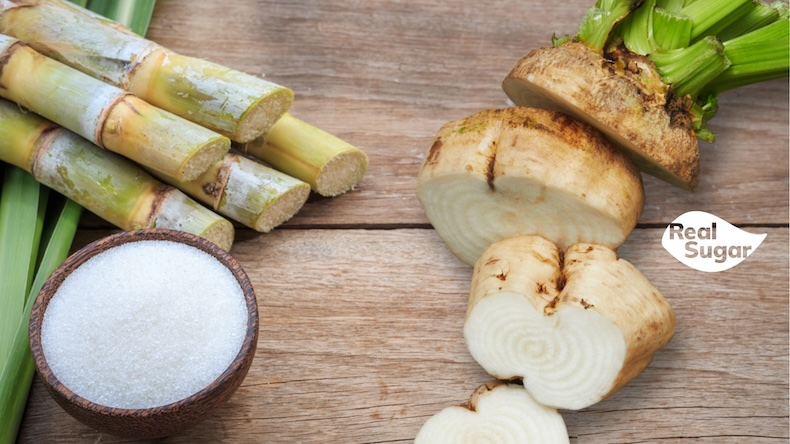
Marshmallows are made of four main simple ingredients: sugar, water, air, and gelatin. Real sugar helps provide the light texture we have come to expect from marshmallows, a key ingredient in beloved treats like s’mores, Rice Krispie Treats, fudge and popcorn balls.
Marshmallows are a type of foam where air is whipped into a mixture and becomes trapped inside a matrix of sugar and gelatin. The gelatin stabilizes the structure, allowing marshmallows to hold their shape even though they are mostly air. Temperature also matters—heating the sugar syrup to the right stage ensures the marshmallow sets properly. This structure allows marshmallows to be fluffy in hot cocoa, melt into gooey messes, or become crispy on the outside when roasted.
A Sweet History: From Ancient Egypt to Your Campfire
Marshmallows’ origins date to ancient Egypt, when the root pulp of the marsh mallow plant was combined with honey. The resulting treat was reserved only for pharaohs and gods. However, early physicians soon discovered the medicinal qualities of the marsh mallow root and used it to treat coughs, indigestion, and skin inflammation.
In the early 1800s, French candy store owners made marshmallows in a time-consuming process typically done by hand. They struggled to keep up with demand and searched for more efficient ways to produce the popular candy.
Mass production of marshmallows was made possible toward the end of the nineteenth century by the invention of candy molding technology known as the starch mogul manufacturing system.
By the turn of the century, marshmallows had made their way to America where they were sold in tins as penny candy and began appearing in various desserts.
Marshmallows became an icon of American camping culture when The Girl Scout Handbook published a recipe for roasted marshmallow combined with chocolate bars and graham crackers in 1927. This classic campfire treat we know as the “s’more” has been an enduring tradition at tent sites, barbecues, and backyard gatherings ever since.
From fondant to fruit dips, the marshmallow is a historic, versatile ingredient that combines history and food science in every bite.
Love Peeps? Read about them here.