




A Familiar Ingredient with Staying Power
Why is it that despite the cyclical anti-sugar rhetoric that comes and goes in waves, sugar remains a staple in our kitchens? Because it’s one simple ingredient doing the essential work of many—helping foods stay fresh, balancing flavors, and creating the textures we love, even in foods that don’t taste sweet.
The Workhorse Ingredient Food Manufacturers Can’t Simply Replace
When sugar is added to food, it takes on a dozen different roles, each helping make a wide variety of foods enjoyable:
- The Flavor Balancer: Sugar balances bitter and acidic flavors to make nutritious foods more palatable. Think of sharp-tasting berries or high-fiber cereals and breads.
- The Architect: Sugar creates soft, light structure in baked goods by trapping air bubbles and adding bulk.
- The Texture Magician: Sugar improves texture and mouthfeel of everyday nutritious foods. It gives yogurt and salad dressing a creamy, consistent texture.
- The Natural Preservative: By binding water, sugar slowsbacteria, yeast, and mold growth, extending shelf life in home-canned fruits and pickles.
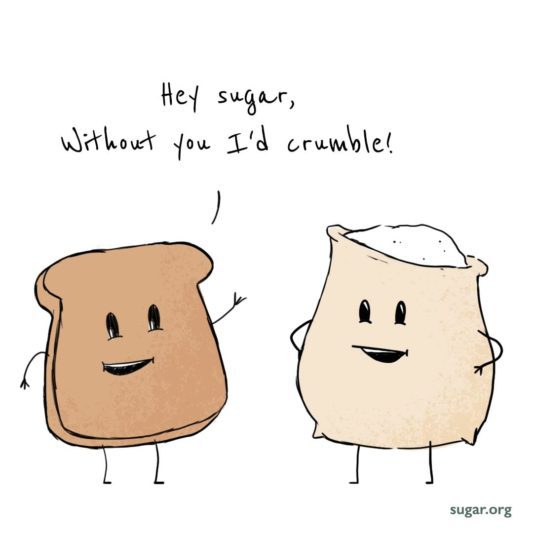
- The Riser: Sugar feeds yeast in bread–making, which makes the dough rise and gives bread its light, airy texture. A little sugar goes a long way in creating that perfect loaf.
- The Freezer Fix: Sugar helps keep occasional frozen treats, like ice cream, scoopable by lowering water’s freezing point. This ensures a smooth, creamy texture.
- The Artist: When heated, sugar interacts with proteins to produce that appetizing golden-brown crust on baked goods and on roasted meat. At high heat, it can also caramelize on its own, forming the deep color and flavor found in caramels. These chemical reactions aren’t just about looks—they’re key to the taste and texture of many foods.
- The Moisture Guard: In your homemade banana bread, sugar plays an important role in keeping it soft and preventing it from drying out. By binding water, sugar retains moisture during baking and storage, which helps maintain a tender texture.
No other single ingredient can replicate sugar’s multiple roles. Remove it, and manufacturers often need multiple ingredients to replicate these functions—emulsifiers for texture, humectants for moisture retention, and preservatives. That simple six-ingredient loaf of bread? It might need ten or more ingredients to achieve a similar product.
Here’s the surprising part: “no sugar added” doesn’t mean fewer calories. Sugar provides bulk and structure, so reduced-sugar products often add other calorie-containing ingredients, resulting in similar or higher calorie counts. For example, some “no-sugar added” peanut butters increase fat content to restore the creamy texture lost without sugar, making the product more calorie-dense despite the ‘lower sugar’ claim.
How These Roles Matter in Everyday Foods
Sugar plays an important role in nutrient-dense foods, from whole-grain breads and high-fiber cereals to protein-packed yogurt and vitamin C–rich fruits. Let’s see how these functions work together in foods you eat every day.
- Whole-wheat and high-fiber breads are nutritious, but whole grains don’t rise as easily and can taste bitter. A small amount of sugar feeds the yeast, so the dough rises, binds water to keep the loaf soft, and rounds out the flavor of the grain.

- Sugar doesn’t just make yogurt taste better. It balances sourness by interacting with acids, enhances fruit flavors through flavor-binding, and controls moisture to create a smooth texture. Together, these functions make yogurt more enjoyable.
- Tomatoes are rich in vitamin C but also high in natural organic acids, which can make sauces taste sharp. A small amount of sugar interacts with these acids to create a balanced flavor and consistent texture. These functions improve the taste of many tomato-based dishes.
Sugar is a Staple for a Reason
Because sugar does the work of many ingredients, it keeps ingredient lists short and familiar. Low– and no-calorie sweeteners, including artificial sweeteners, often appear under unfamiliar chemical names, making labels harder for parents trying to identify them in children’s meals.
While food science may not be the sexiest of topics, knowing why certain ingredients are in various foods is the foundation of meaningful conversations and policies about healthy and balanced diets. Sugar is so much more than just a sweetener, and we make it a goal to spread that word. We hope you do too.
Originally published in Sugar Producer – February 2026




Get Social with #MoreToSugar