




Frozen Alchemy: The Science of Sugar and Your Ice Cream Scoop
Discover the surprising science behind America’s favorite frozen treat.
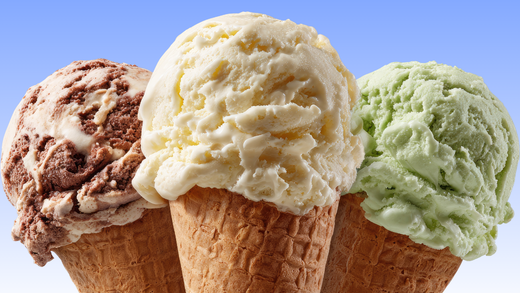
 Did you know the average American eats about 20 pounds of ice cream every year? That’s a lot of scoops! And chances are, many of them are vanilla—the longtime #1 ice cream flavor in the United States.
Those scoops are also most likely to appear at a very specific moment: Sunday evening, when Americans reach for ice cream more than any other time of the week. For reasons science has yet to fully explain—but dessert lovers fully understand—the end of the weekend inspires Americans to reach for a bowl, a spoon, and a little sweetness.
But that comforting dish of vanilla isn’t just a tasty tradition. It’s also a tiny triumph of food science. Behind every creamy bite is a careful balance of dairy, air, freezing—and one ingredient that quietly makes it all work: sugar.
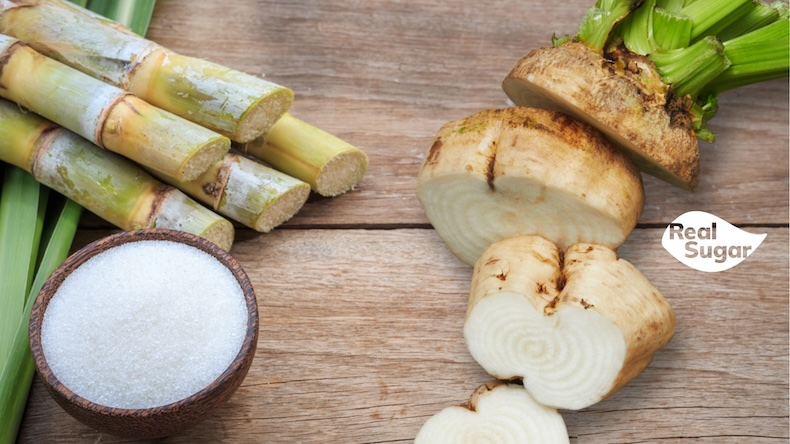
Real sugar—from sugar beets and sugar cane—does far more than simply sweeten ice cream. In many ways, it acts as the behind-the-scenes architect of the dessert’s texture, scoopability, and stability.
Ice Cream: A Delicious Balancing Act
To understand sugar’s role, it helps to know what ice cream actually is.
From a scientific perspective, ice cream is a frozen foam and an emulsion, which sounds far less delicious than it actually is. It contains ice crystals, air bubbles, fat droplets, and a concentrated sugar solution—all suspended in a semi-solid structure. Each component has a job to do, and when the balance is right, the result is the smooth, creamy texture we love.
During freezing, the mixture is churned as it cools. Air is whipped in, and water slowly begins to freeze. The key to creaminess is forming tiny ice crystals—so small they feel silky rather than crunchy.
This is where sugar steps in as a critical player.
Sugar lowers the freezing point of the mixture, meaning not all the water turns into ice right away. Instead, some remains in liquid form, allowing the ice cream to stay soft enough to scoop straight from the freezer. Without sugar, the mixture would freeze into something closer to an icy block than a creamy dessert.
Sugar also helps control crystal size. By slowing down the freezing process, it allows the mixture to churn and stabilize, preventing large crystals from forming. The result is the velvety texture that defines great ice cream.
Fun fact: Ice cream contains 30–50% air, depending on the brand. This built‑in fluff (called overrun) is why a pint of premium ice cream can feel noticeably heavier than a budget brand — they literally whip in less air.
The Secret to Scoopable Perfection
Sugar’s job doesn’t stop once the ice cream is frozen. It continues to help control ice crystal growth over time. As the ice cream sits in the freezer—and especially as it’s taken in and out—temperature changes can make crystals grow bigger, a process called recrystallization.
Sugar slows this process, helping ice cream stay smooth and enjoyable even after a few late‑night returns to the freezer – strictly for quality control, of course.
Fun fact: The ideal serving temperature for ice cream is about 6–10°F warmer than your freezer at 0°F. Letting it sit for a minute or two helps soften the structure and releases more flavor.
The Sweet Science Behind Every Scoop
The next time you dig into a bowl of ice cream on a Sunday night (or anytime!) take a moment to appreciate the science in your spoon. That creamy scoop didn’t happen by accident. It’s the result of a carefully crafted blend of ingredients working together to create one of the world’s most beloved treats.
And at the center of it all is sugar—the quiet ingredient that helps transform milk and cream into something magical.