




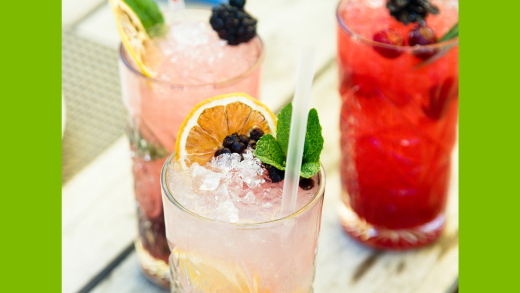
It’s your first porch drink of the season. The sun hangs low, the air smells like fresh-cut grass, and that cold glass of lemonade, sweet tea, or cocktail just hits differently out here.
Sugar is more than just the familiar ingredient in summer favorites from classic lemonade and sweet tea to cocktails. It’s the common thread that connects every sip.
Sugar Tames the Tart
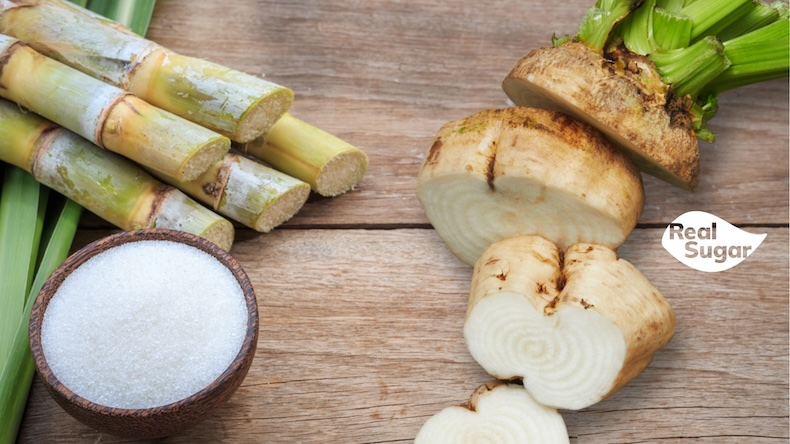
In the world of summer drinks, the type of sugar you reach for matters more than you think. All sugar starts the same way – extracted from sugar beet or sugar cane plants – but small differences in processing are what create the variety of types of sugar behind your favorite drinks. These types play distinct roles in crafting popular drinks, each contributing unique flavors, textures, and levels of sweetness.
Granulated sugar, known commonly as table sugar, has medium-sized crystals that resist clumping, making it ideal for directly sweetening beverages (iced tea) or the glasses they are served in (margarita).
Less refined sugar has large golden crystals that retain some natural molasses and add a subtle caramel undertone to cocktails and specialty drinks (a mojito).
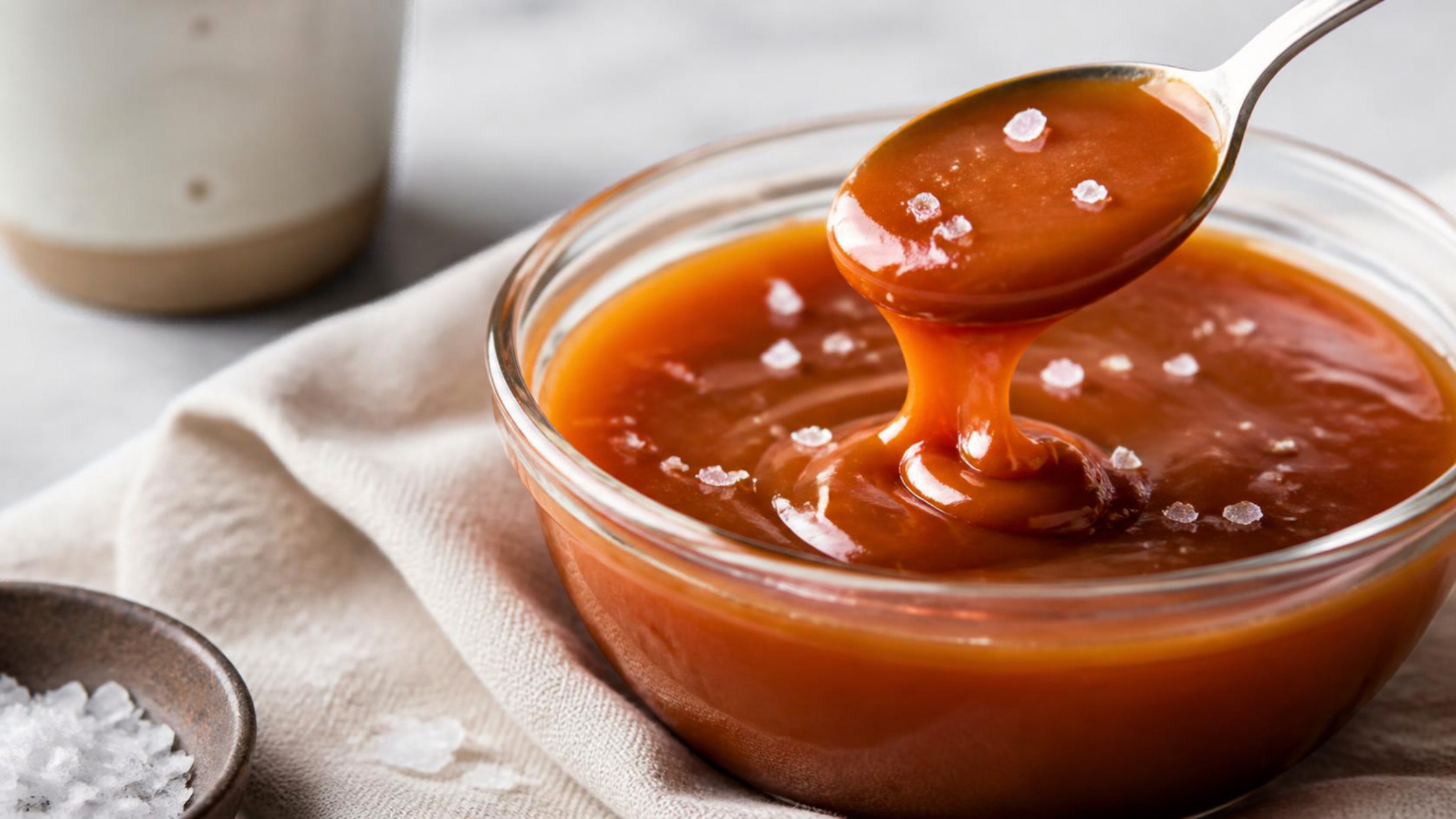
And then there is simple syrup. Made by dissolving sugar in hot water in a 1:1 ratio, it is a staple in summer drinks because it blends effortlessly into cold beverages without leaving a grainy residue. While the 1:1 ratio provides light sweetness, a 2:1 ratio (two parts sugar to one part water) creates a richer syrup when a more concentrated sweetener is needed without diluting. Add herbs, fruits, or spices to either, and suddenly you have a versatile base that can take a drink somewhere entirely new.
Lemonade: A Sweet-Tart Story 1,000 Years in the Making
Summer’s beloved beverages often feature high citrus content from lemons, limes, and grapefruit, and sugar counteracts this acidity to turn sour mixes into balanced blends. Sugar creates lemonade’s perfect sweet-tart balance because sucrose molecules stimulate the tongue’s sweet taste receptors, which temper the sharp acidity of lemon juice.
That balance is ancient. In 10th century Cairo, people were already drinking qatarmizat, a mix of lemon juice and sugar; a recipe that hasn’t changed much in a thousand years. We’ve just rebranded it.
Fun Fact: The word “lemonade” first appeared in the English language in the 1600s.
Sweet tea: Timing is Everything
Sweet tea has been a Southern staple since at least 1878, when one of the oldest known recipes appeared in a community cookbook called Housekeeping in Old Virginia.
The real secret to a perfect pitcher has less to do with the recipe and everything to do with when you add the sugar. Put it in while the tea is hot. Heat energizes water molecules, letting them break down sugar crystals quickly and hold far more sweetness than cold water ever could. Skip this step, and the sugar sinks to the bottom, leaving you with a sugary layer at the bottom of the pitcher (which is also delicious!)
Fun Fact: The Arnold Palmer, which mixes lemonade and sweet tea, was named not by the famous golfer Arnold Palmer, but by a woman who overheard him ordering one.
Sugar is an Architect in Your Mint Julep
Beyond flavor, sugar is doing structural work in your glass. It binds ingredients together, adding body and texture to cocktails that would otherwise feel thin. In a mint julep, granulated sugar pressed against fresh mint leaves pulls out essential oils, unlocking aroma before a drop of bourbon enters the picture. Sugar softens the spirit’s burn, making it sip worthy.
Fun Fact: Did you know that mint juleps have been the official Kentucky Derby drink since 1938?
Each year, Churchill Downs serves almost 120,000 mint juleps over the Kentucky Oaks and Kentucky Derby horse races. A traditional mint julep calls for about 1 teaspoon of simple syrup, but Churchill Downs’ recipe uses a custom sugar ratio that’s been tweaked over decades to hold up in a crowd of 150,000 people on a hot May afternoon.
From the first pitcher of sweet tea on a slow Sunday afternoon to the last cocktail as the fireflies come out, raise a toast to real sugar, the simple ingredient behind every sip.
Originally published in Sugar Producer – May 2025