


Sugar Farming: From Seed to Harvest
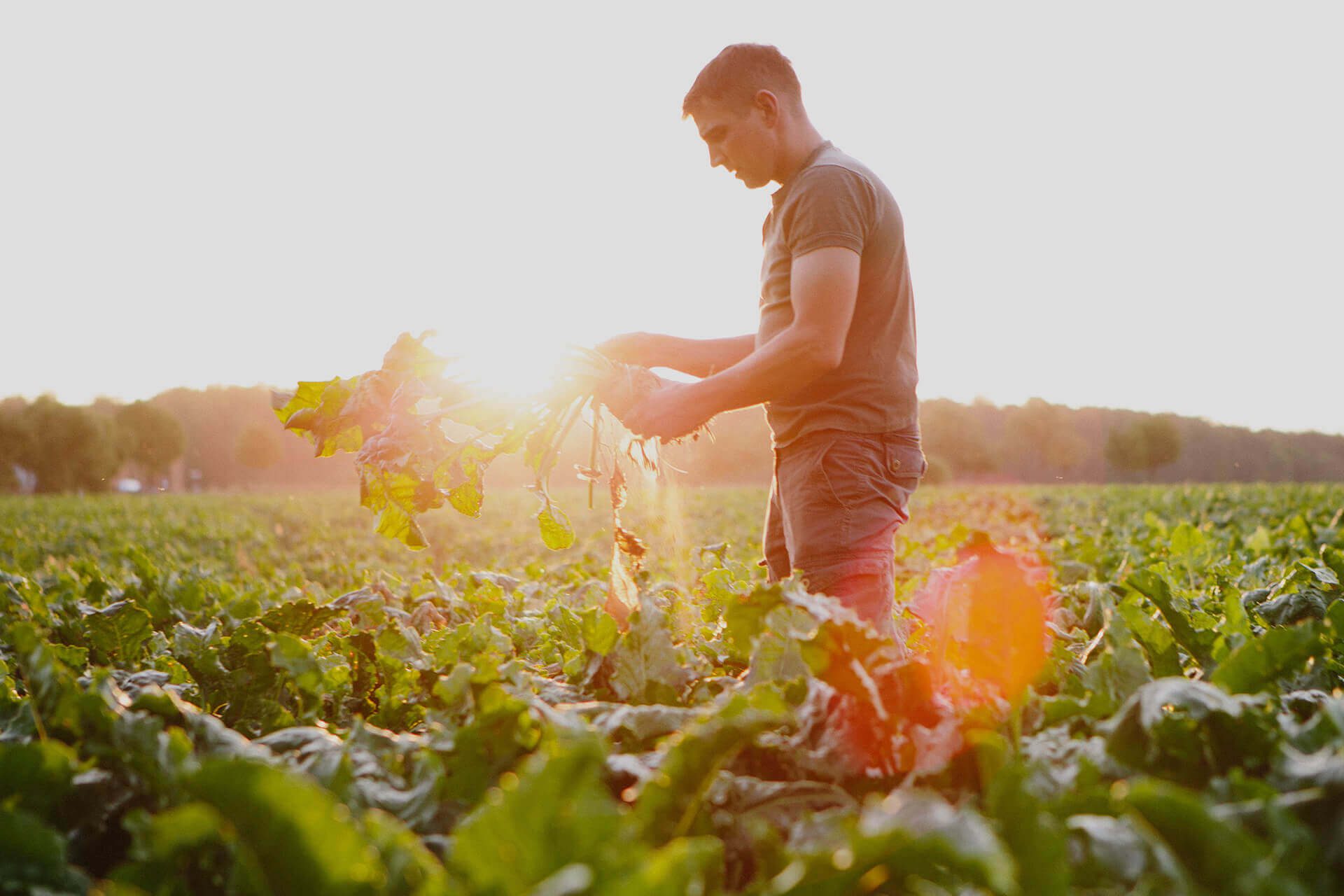
Scott Bublotz of Hector, Minnesota, walks through a sugar beet field ready for harvest, marveling at the results of seeds planted in April. Cradling a sugar beet in his hands, he sees more than a crop—it’s his livelihood and his passion.
“I wish more people knew that sugar, the real sugar that they have, is grown right here,” Bublotz says.
While sugar is on most people’s shopping lists, few are familiar with the field-to-factory process that puts those bags of sugar on grocery store shelves across the country.
Bublotz and his fellow growers take pride in growing the gold standard for sweetness. Their dedication, rain or shine, helps Americans celebrate life’s important milestones and memories generation after generation.
Showing How Real Sugar Is Grown Builds Consumer Trust
Sugar is often part of national dialogue on nutrition, food processing, and sustainability. Consumers want to know where their food comes from, how it’s produced, and that their voices are heard. Now more than ever, transparency and authenticity are key.
Consumers want assurance that farmers share their concerns — producing safe, high-quality, and sustainable food. American sugar cane and sugar beet growers dedicate their lives to these goals. Their expertise and integrity make them credible messengers, and when they speak up, it strengthens consumer confidence and shapes the conversation about real sugar’s origins and role in our food. It’s no surprise that survey after survey shows farmers are the most trusted actors in the food system.
“Talk to growers. Take a look at where they are planting and see what it’s like to harvest,” said Richard Russell of Russell Livestock in Basin, Wyoming. “Knowing where your ingredients come from matters…and knowledge is key.”
When consumers meet sugar beet and sugar cane farmers and watch them at work, perceptions change. Real sugar is grown by real people, and connecting with growers and family farms makes it tangible.
Transparency and craftsmanship draw people in, turning sugar from an ingredient into a story. By meeting growers and buying their produce, consumers support communities and the multigenerational legacy of American farms.
“Sugar cane farmers and sugar cane help communities in my area thrive,” said Ross Noel of Noel Sugars in Donaldsonville, Louisiana. Noel understands the importance of supporting his community and his family’s proud tradition of growing sugar cane.
“I’m following in the footsteps of my dad, grandpa and great grandfather,” he said. “It’s my turn to carry on the legacy they set in front of me.”
Multigenerational Legacy of U.S. Sugar Growers
Growers feel a strong sense of responsibility to their ancestors, their children and consumers, according to Lance Gaudet of Wood Farms in Napoleonville, Louisiana.
“What’s rewarding to me as a farmer is that this land is the same land my grandfather and great uncles farmed on,” he said. “Farming real sugar isn’t just my job. It’s my family’s legacy and hopefully I can pass this on to my children, and they can do the same thing.”
Grower stories don’t just represent their farms. Their firsthand experiences and hard work strengthen the reputation of the entire U.S. sugar industry.
Amplifying Grower Stories Through Farm-to-Table Initiatives
Nothing is more powerful than authentic, firsthand experience. The Sugar Association amplifies grower voices by working with companies to bring consumers face-to-face with the people behind real sugar — both online and in person.
Our virtual farm-to-table experience lets people explore beet and cane farming from anywhere, while in-person tours give influencers a firsthand look at the journey from field to table.
Last year’s tour was hosted by Michigan Sugar Company, and a tour in January will feature sugar cane and will be hosted by U.S. Sugar Corporation. These events have proven that the more people see where sugar comes from, the more they trust it and the more confident they are about including real sugar in their families’ diets.
While National Real Sugar Day on October 15 is our formal day to celebrate real sugar and the dedication of the growers and processors who make it possible, in today’s complex conversations about food and nutrition, we need to be sharing sugar’s story straight from to table every day.
It’s up to all of us to keep the story growing:
- Share online: Post photos, videos, and stories from your farm on social media.
- Open your farm: Host tours for consumers and schools.
- Engage local media: Speak with journalists to highlight your farm and community.
- Celebrate every day: Make every day National Real Sugar Day by telling your story and connecting people to where their food comes from.
The Sugar Association features community profiles on our Sugar Packet Blog. Share your story with us and help show America that real sugar is more than a simple ingredient; it’s a legacy of hard work, care, and tradition.
Originally published in Sugar Producer – January 2026



Get Social with #MoreToSugar