

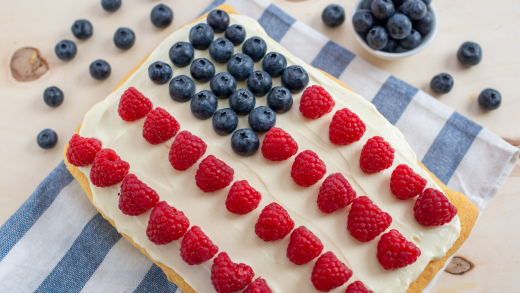
This summer is made for celebration as our nation marks its 250th birthday. We celebrate the American story and its many chapters.
A character throughout it all is real sugar, a simple ingredient with a rich story of transformation. Over the past 250 years, real sugar has become a common thread in how Americans gather and celebrate. From Revolutionary-era Election Cakes to modern birthday cupcakes, real sugar remains a constant at our tables, shaping our nation’s most cherished food traditions.
The Election Cake and the Birth of Civic Baking
In the decades after independence, Americans built more than a government; they built traditions. Real sugar quickly became a signature of celebratory cooking.
In 1796, Amelia Simmons published American Cookery, the first cookbook by an American-born author. Her sugar-sweetened puddings, custards, and cakes helped define some of these new traditions.
A standout was the “Election Cake”, a huge, yeast-risen cake baked in batches and packed with spices, dried fruit, and sugar. Shared at town gatherings and polling places, it turned sweetness into civic pride as Americans celebrated the simple act of voting. Unlike delicate European sweets reserved for elites, Election Cakes were communal. Real sugar became an ingredient of participation. It was the original “I Voted” sticker.
Fun fact: Some Election Cakes weighed more than 30 pounds.
Bottling the Wilderness: The Great American “Preserving Bee”
As the nation expanded west, real sugar became more than simply a sweetener. It was a key ingredient in survival, helping food last. In the 19th century, it was the primary tool of culinary preservation.
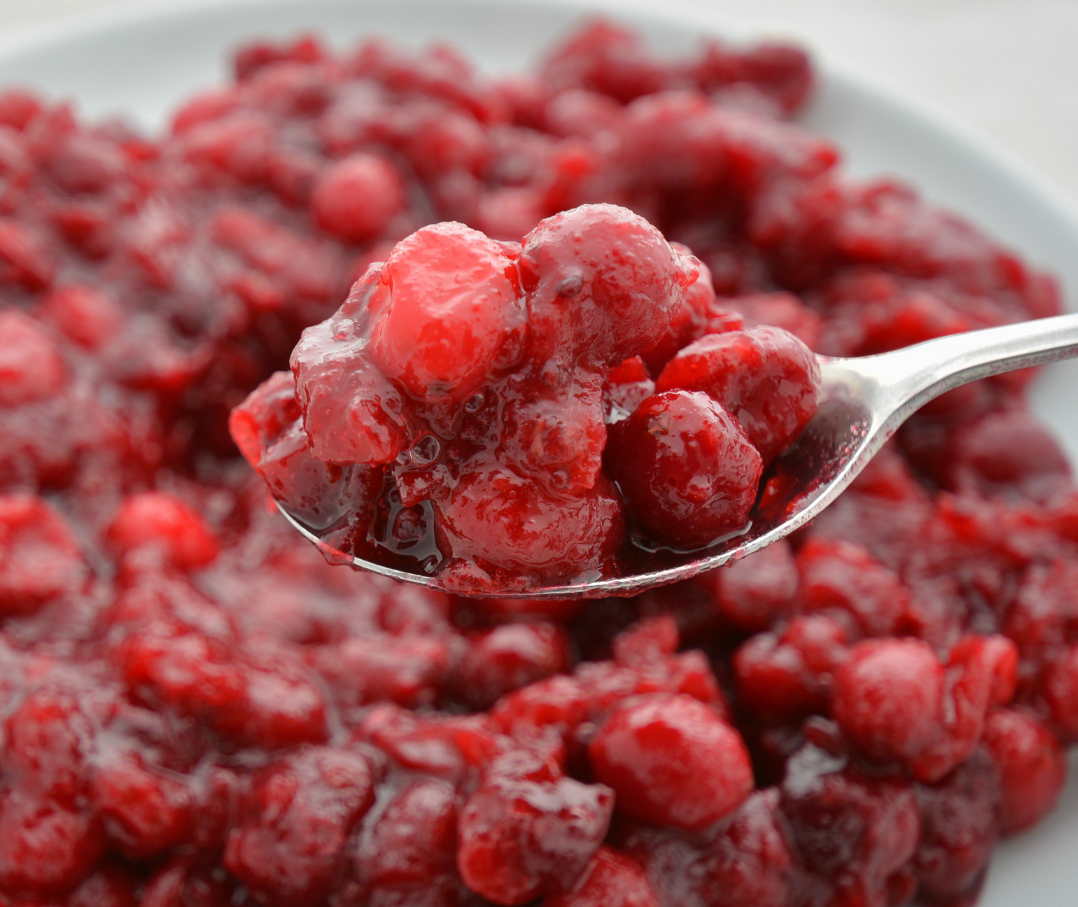
At “preserving bees,” neighbors worked side-by-side, sealing summer fruit into jars for winter. Here, sugar’s natural preservative function in food became a bridge between the American wilderness and the domestic kitchen table. It turned tart cranberries, crabapples, and Concord grapes into jams and jellies that tasted like July, even in winter. These gatherings were about resilience and community.
The Melting Pot of Sweets
As people began coming to the U.S., real sugar became a delicious way to share culture. German and Dutch traditions brought cookies (“koekjes”) and doughnuts. French and Creole baking enriched the South with pralines and pastries. African culinary knowledge shaped regional sweets through molasses, sweet potatoes, and candied preparations.
Nowhere is this sweet synthesis more visible than at American bake sales at schools, churches, and community events. Each table boasts confections from countless cultural backgrounds. Cookies, specifically chocolate chip, are consistently listed among the top bake sale performers in America.
Fun fact: The earliest known print reference to a “bake sale” as an American fundraiser appears in 1902 in a Syracuse, New York, newspaper.
Everyday Joy and Sweet Innovation
By the late 1800s, real sugar helped spark penny-candy shops. Kids of all backgrounds could buy their own small treats, making sweetness an everyday joy and a shared childhood memory.
Then came one of classic American food’s favorite origin stories. At the 1904 St. Louis World’s Fair, a vendor ran out of dishes, and a nearby waffle seller rolled a wafer into a cone, creating the ice cream cone: a portable, practical, and instantly iconic reflection of American ingenuity.
Fun fact: It is believed that in 1776, the same year as the Declaration of Independence, the first ice cream parlor in America opened in New York City.
White House Traditions
Every great American celebration ends with something sweet, including those at the White House. George Washington enjoyed syrup-drenched hoecakes. Thomas Jefferson helped popularize ice cream at the White House. Abraham Lincoln favored fruit desserts.
Modern presidents keep the tradition going, and sweet treats have become part of everyday presidential life. Ronald Reagan stocked jelly beans on Air Force One, and George W. Bush often requested chocolate cake for his birthday. Barack Obama was known for Fran’s Smoked Salt Caramels, and President Donald Trump for cherry vanilla ice cream, proof that real sugar has a seat at America’s most famous table.
An Ingredient of Celebration
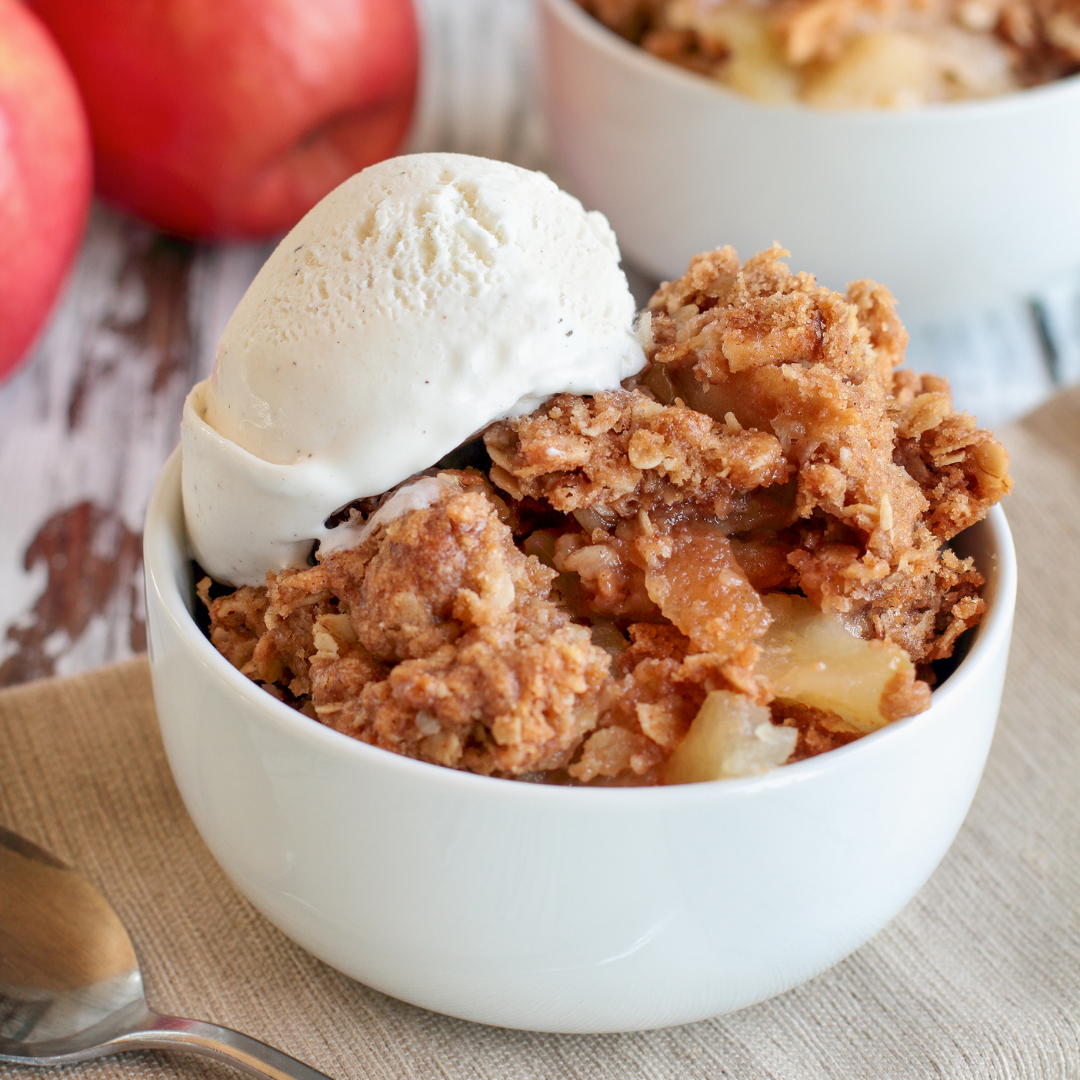
From Election Cakes to bake sales, real sugar has been a part of the milestones of American life. It shows up in big moments and small ones. Blowing out candles on a birthday cake or sharing dessert remains one of the truly quintessential American experiences. These are small acts, but they carry a long history.
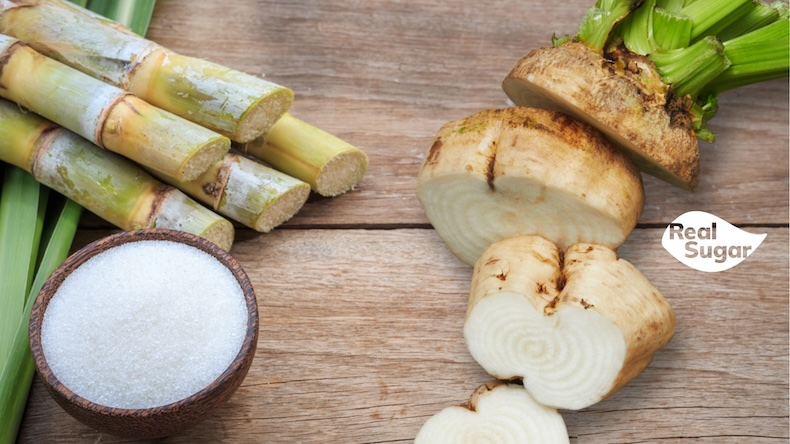
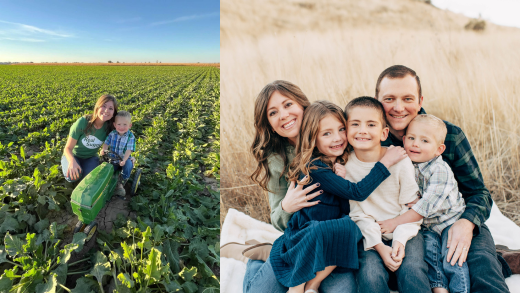
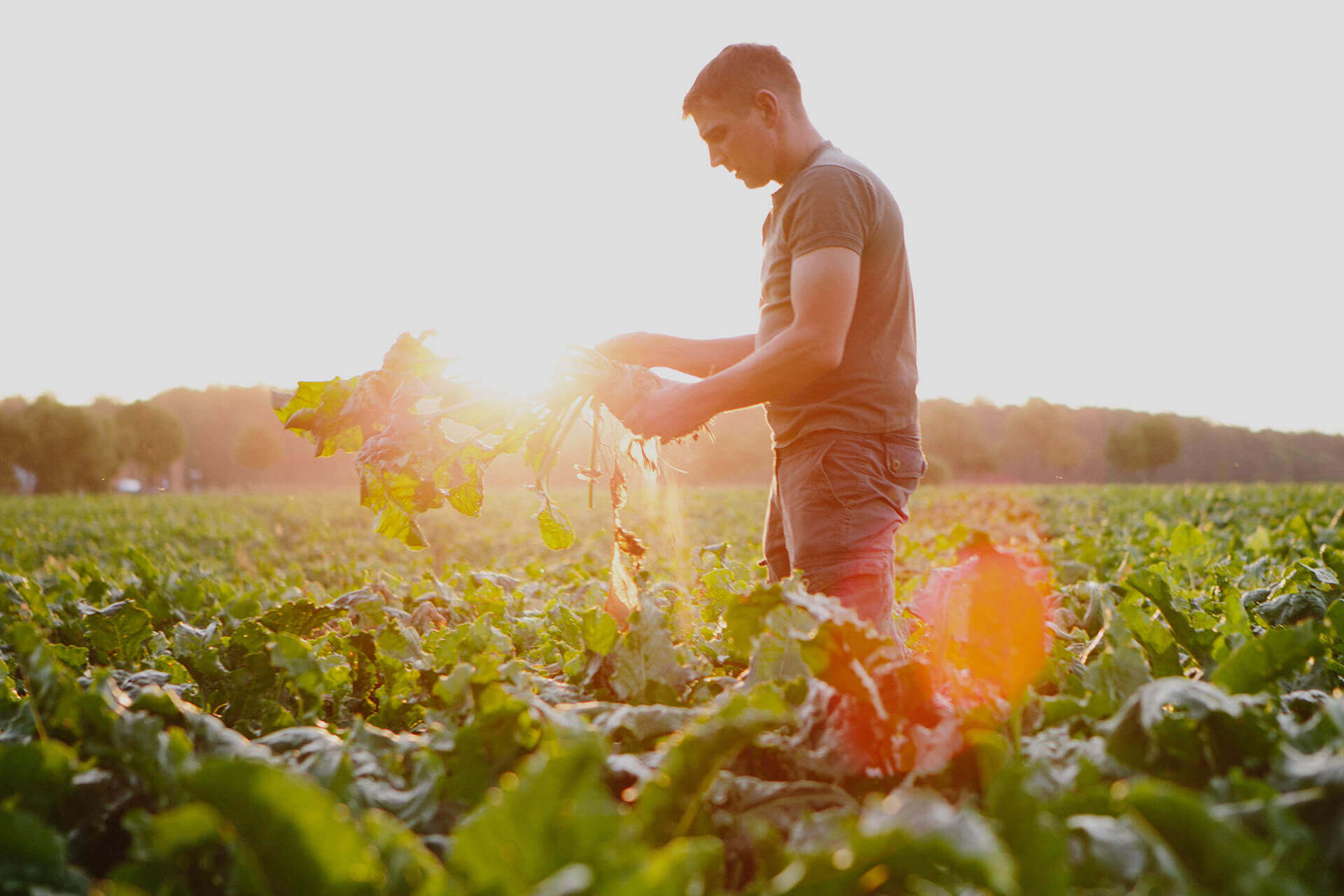
As we celebrate 250 years, we remember where these sweet moments start: on farms, with sugarbeet and sugarcane growers who steward their crops. Learn more at sugar.org.
Originally published in Sugar Producer – June 2026